AI-Driven Drug Discovery
How Artificial Intelligence Is Transforming Drug Discovery and Development
Bringing a new drug to market is one of the most complex, expensive, and time-consuming challenges in science. Traditional drug discovery can take over a decade and cost billions of dollars, with high failure rates at every stage. Artificial intelligence (AI) is changing that reality—accelerating timelines, reducing costs, and opening the door to therapies that were previously out of reach.
Faster Drug Discovery From Data
AI excels at analyzing massive datasets far beyond human capacity. In drug discovery, this means rapidly scanning genomic data, biological pathways, chemical libraries, and scientific literature to identify promising drug targets. Machine learning models can uncover patterns that traditional methods miss, helping researchers:- Identify disease mechanisms more accurately
- Prioritize the most promising targets earlier
- Reduce trial-and-error experimentation
Smarter Drug Design and Optimization
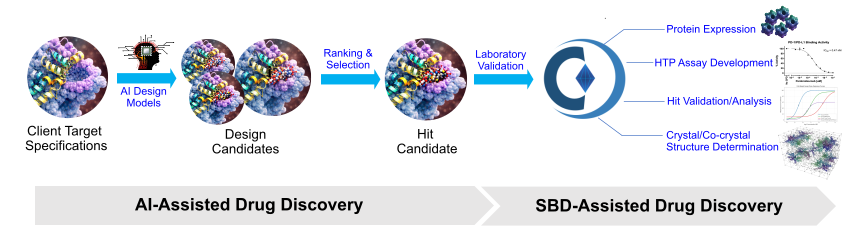
Once a target is identified, AI helps design and optimize drug candidates with greater precision. Predictive models can simulate how a molecule will interact with a biological target, estimating properties like potency, selectivity, and toxicity before any lab testing begins. Benefits include:- Fewer failed compounds in early research
- Improved safety profiles
- Reduced need for costly synthesis and screening
Improved Preclinical and Clinical Development
AI continues to add value well beyond discovery. In preclinical development, models can predict absorption, distribution, metabolism, excretion, and toxicity (ADMET), helping teams eliminate risky candidates early. In clinical trials, AI supports:- Better patient selection and stratification
- Optimized trial design and endpoints
- Early detection of safety signals
Lower Costs and Higher Success Rates
By reducing wasted experiments and late-stage failures, AI significantly lowers the overall cost of drug development. Pharmaceutical companies can focus resources on the most promising candidates, improving return on investment and accelerating delivery of new medicines to patients. For rare diseases and personalized therapies—areas historically underserved due to cost and complexity—AI makes development more feasible and scalable. Enabling Precision and Personalized Medicine AI integrates clinical data, genetics, and real-world evidence to support precision medicine. Drugs can be designed for specific patient subpopulations, increasing effectiveness and minimizing adverse effects. This shift moves healthcare away from “one-size-fits-all” treatments toward therapies tailored to individual biology.The Future of AI-Driven Drug Development
AI does not replace scientists—it empowers them. By automating routine analysis and revealing insights hidden in complex data, AI allows researchers to focus on creativity, strategy, and innovation. As models continue to improve and data quality grows, AI will play an increasingly central role in:- Faster responses to emerging diseases
- Development of novel therapeutic modalities
- More equitable and efficient healthcare solutions